

Go into the ballot box informed. Here is what will be on your ballot this November.
Federal
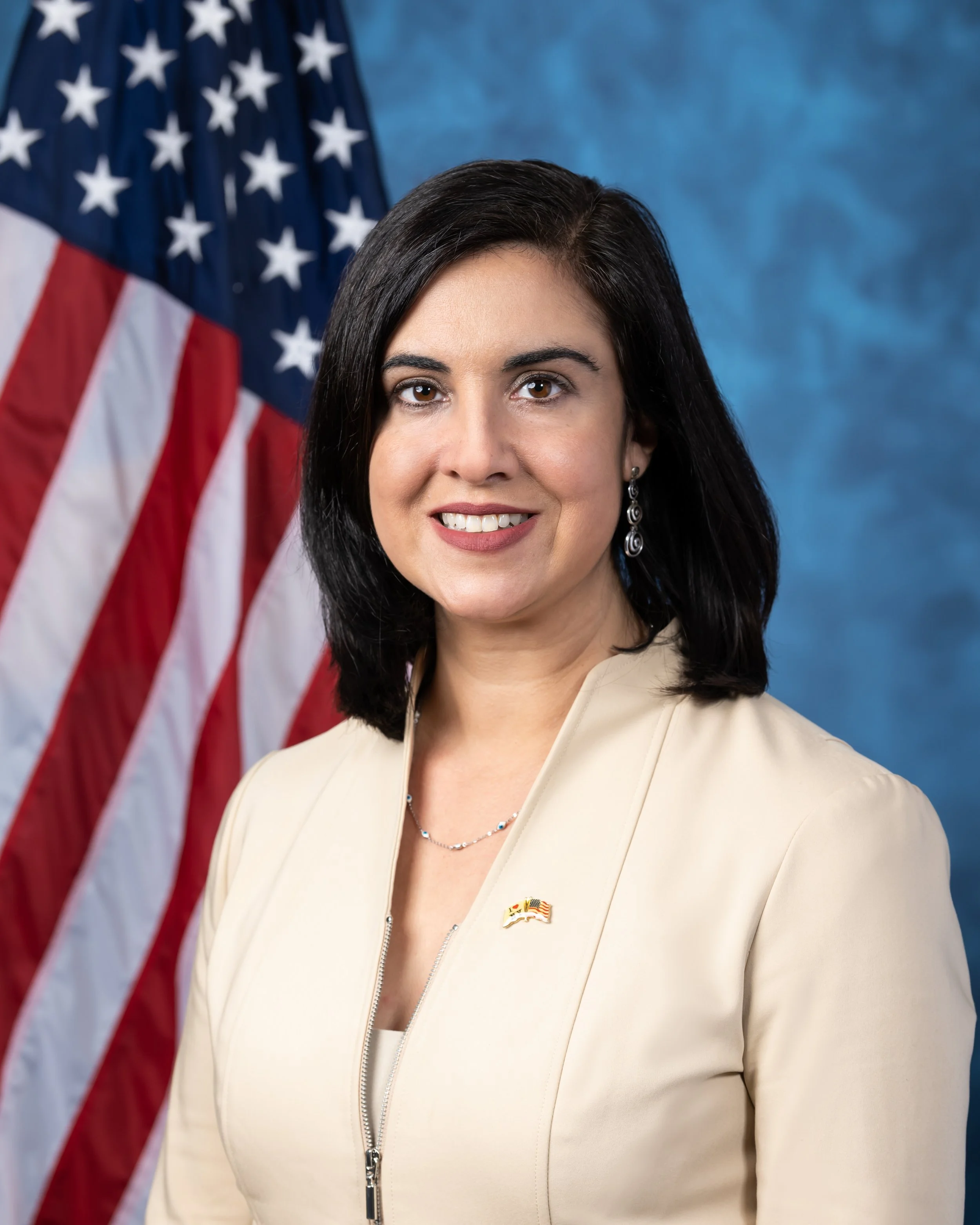
Nicole Malliotakis (R)
Top 3 Issues
Affordability & Quality of Life
Senior & Working Family Tax Relief
Public Safety & Law Enforcement
Congress member, NY-11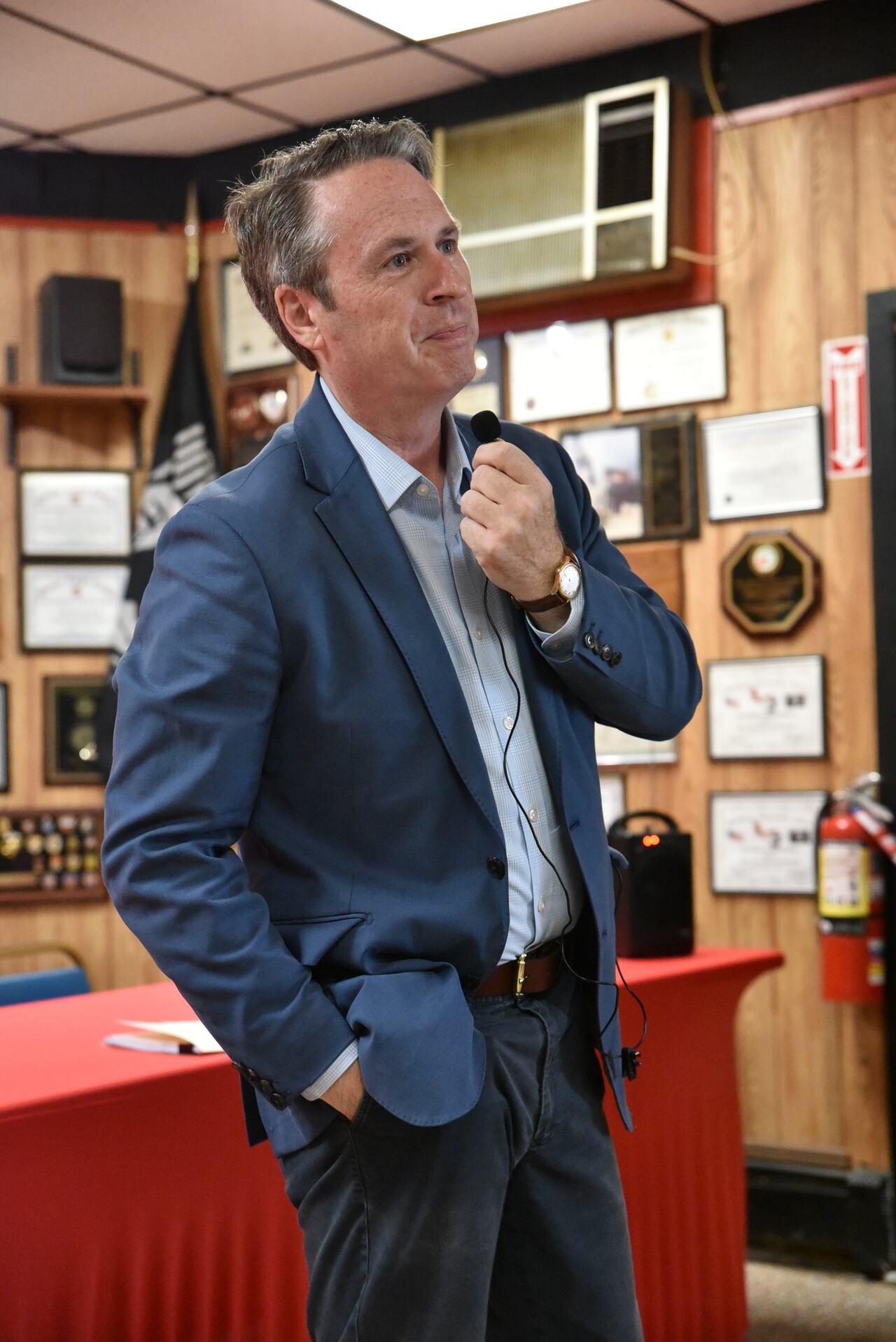
Mike DeCillis (D)
Top 3 Issues
Cost of Living: Housing & Groceries
Affordable Healthcare
Public Education
Candidate, NY-11State
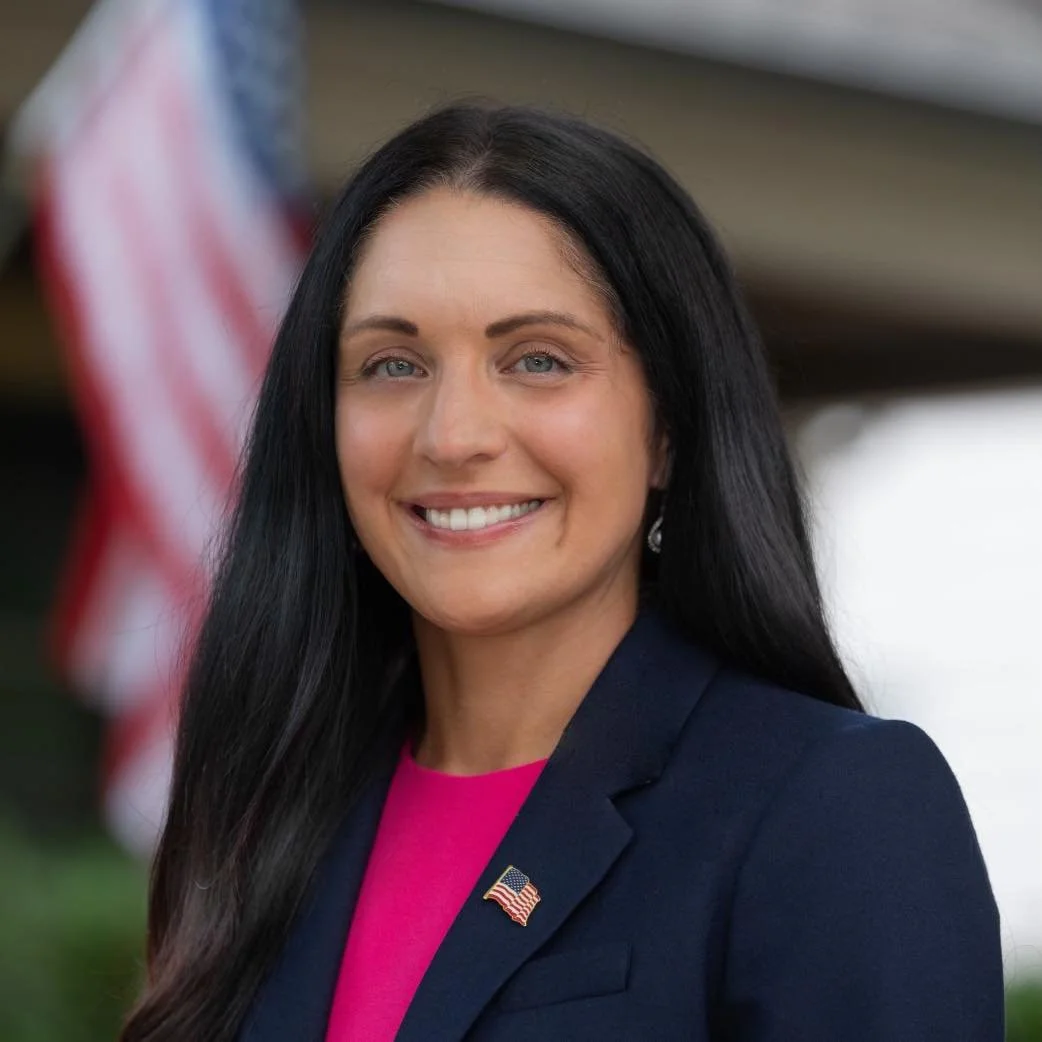
Jessica Scarcella-Spanton (D)
Top 3 Issues
Affordability
Public Safety
Healthcare
State Senator, District 23
Ruslan Shamal (R)
Top 3 Issues
Lower taxes and utility bills
Restore public safety, back NYPD
Stop shelters forced on our blocks
State Senate Candidate, District 23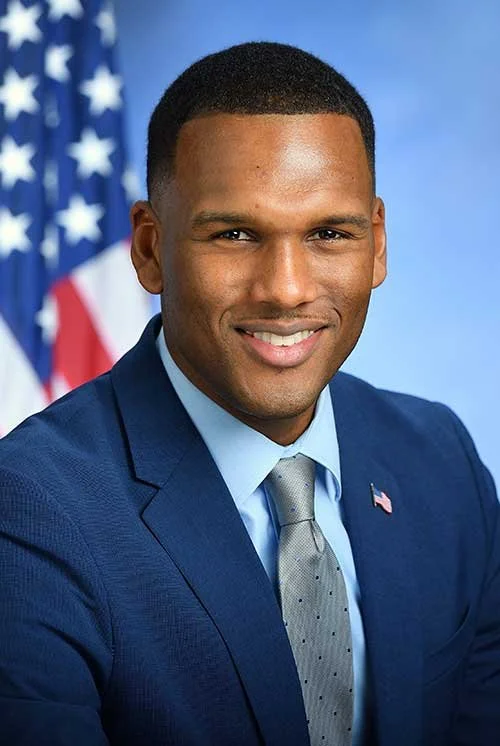
Assembly member, AD 61Charles Fall (D)
Top 3 Issues
Affordable Housing & Tenant Protections
Transportation & Infrastructure
Public Safety & Education
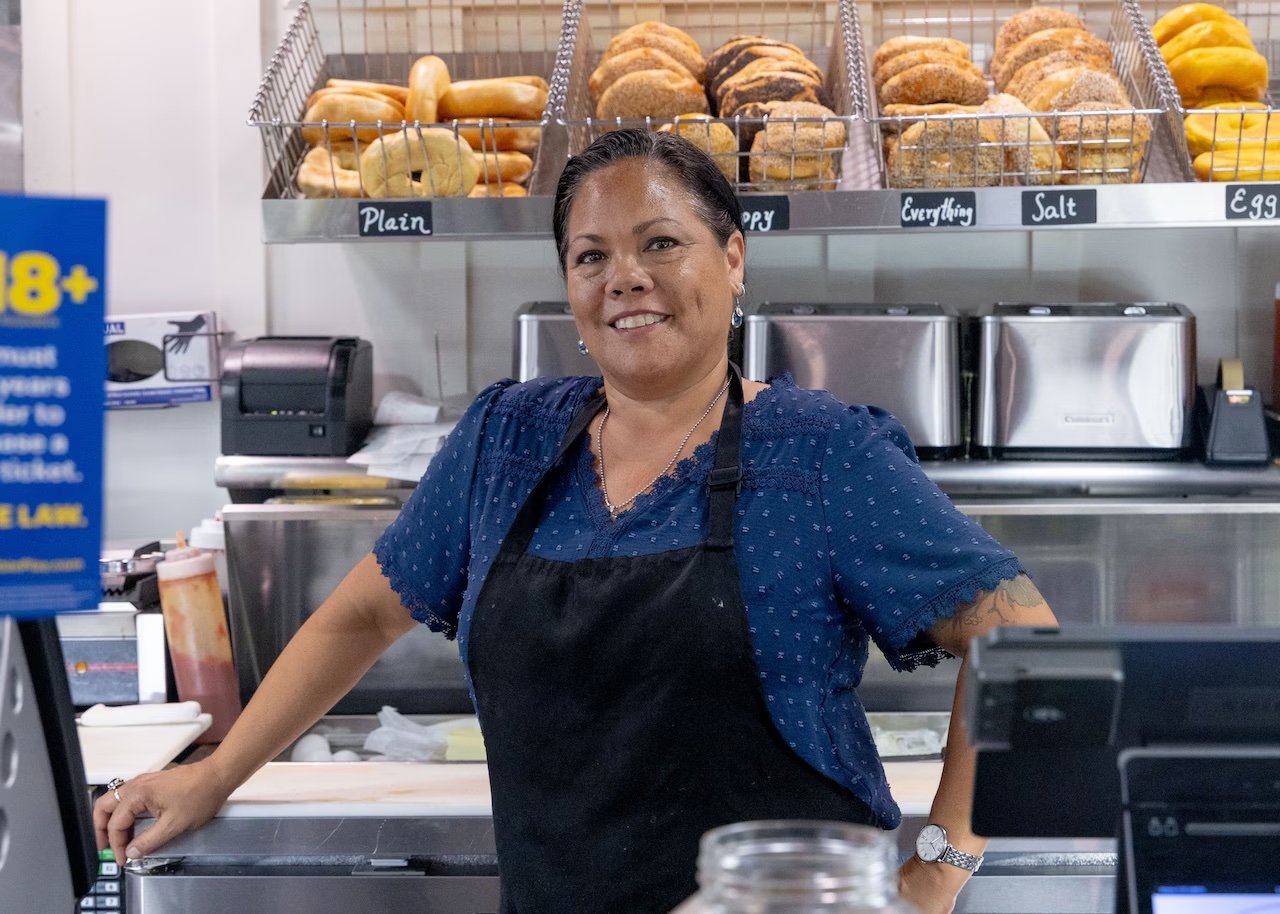
Assembly Candidate, AD 61Casey O’Connor-Manasia (R)
Top 3 Issues
Small Business & Economic Development
Public Safety & Quality of Life
Waterfront Development & Accountability
Judges
Civil Court Judges can represent counties or districts, so you may see more than one Civil Court judge on your ballot. Judges are elected to 10-year terms and hear cases including:
Civil matters up to $25,000.
Landlord-tenant matters and cases involving maintenance of housing standards.
Criminal prosecution of misdemeanors
Source: nycvotes.org

Tashanna Golden (D)
Candidate, Civil Court Judge, Richmond CountyTop 3 Priorities
Fair & Impartial Justice
Housing Law & Tenant Rights
Equal Access to the Courts
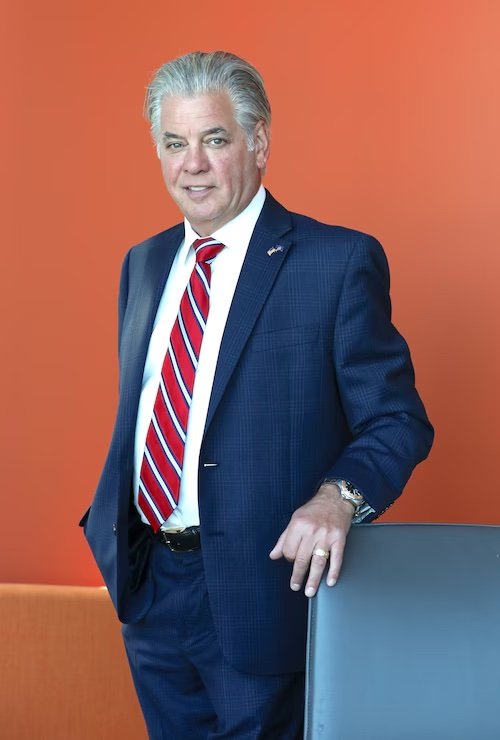
Glenn Yost (R)
Candidate, Civil Court Judge, Richmond CountyTop 3 Priorities
Judicial Integrity & Fairness
Community Safety
Equal Treatment Under the Law
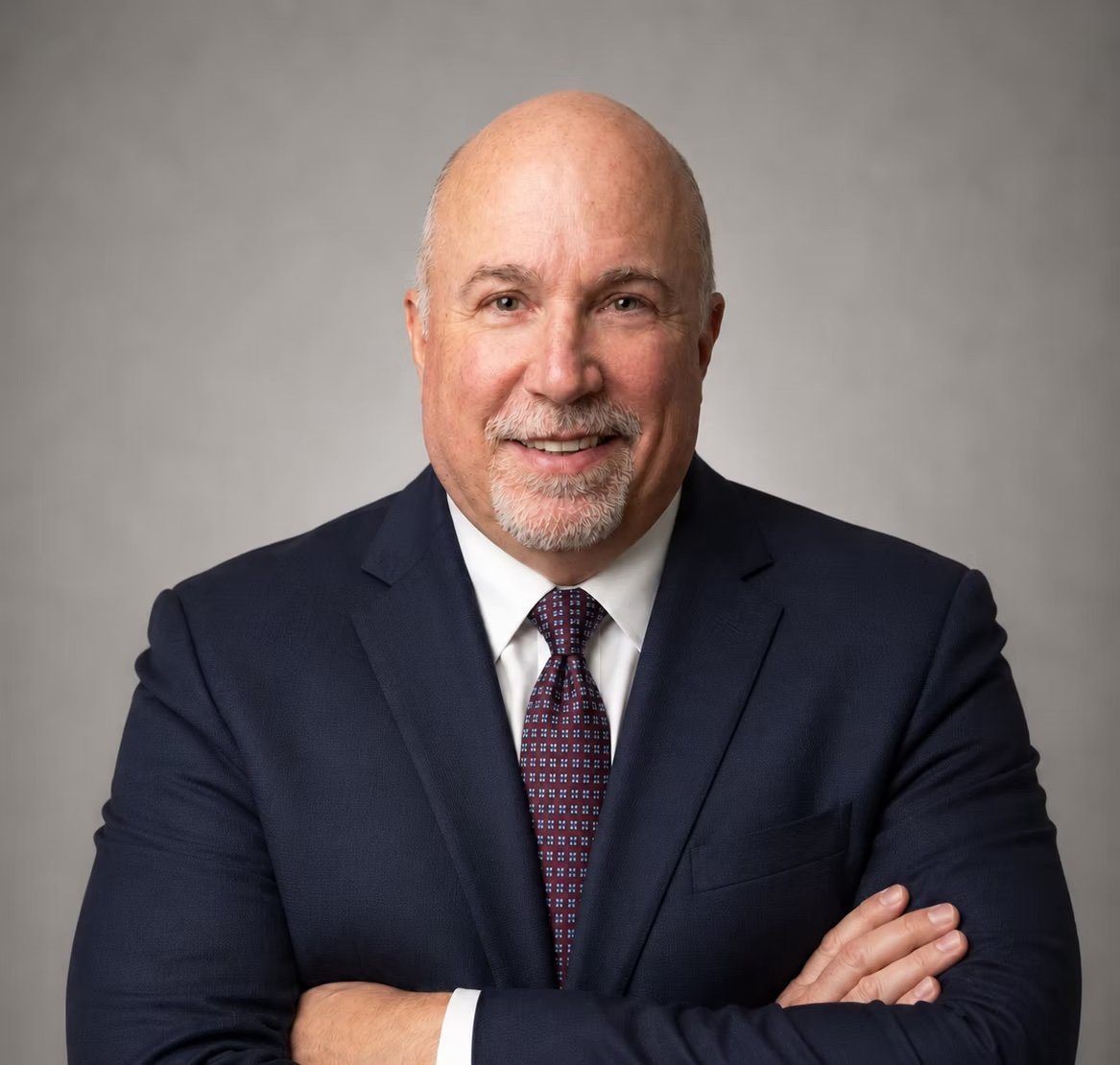
John Vitucci (D)
Candidate, District 1 Civil Court JudgeTop 3 Priorities
Judicial Experience & Legal Expertise
Fairness & Impartiality
Access to Justice

Carrie Low (R)
Candidate, District 1 Civil Court JudgeTop 3 Priorities
Judicial Integrity & Independence
Protecting Litigants' Rights
Efficient & Timely Case Resolution
The Five Ballot Proposals
-
Simplify process to use public space for uses such as ramps, planters, and cafes, by removing mandatory hearings and Council disapproval of sidewalk cafes, while maintaining community and Council input.
A "yes" vote speeds up process to use public space while maintaining community input.
A "no" vote maintains longer process with mandatory public hearing to use public space and Council review of sidewalk cafes.
Tradeoff: Faster approvals and lower costs versus changes to how public notice and approvals work.
-
Reduce paperwork for City's contractors by authorizing Procurement Policy Board to simplify contractor questionnaire. Require quarterly meetings of the Procurement Policy Board. Remove mandatory hearing for required client services report.
A "yes" vote amends Procurement Policy Board authority, including simplifying contractor questionnaire. Authorizes Mayor to delegate certain contract approvals.
A "no" vote leaves law unchanged, with Mayor and Comptroller maintaining longer questionnaire.
Tradeoff: Faster contracting and less administrative burden versus changes to review, approval, and public participation procedures.
-
Simplify review of street safety projects to reduce construction timelines. Fast track disposition of unused City property with approval from City Planning Commission. Expedite leasing offices used for City workforce.
A "yes" vote simplifies street project approval, City property disposition, and office leasing.
A "no" vote maintains intra-agency consultation for road projects, Council approval for City dispositions, and Council disapproval of office leases.
Tradeoff: Faster street safety improvements and potential City revenue versus changes to review and approval of City property transactions.
-
Create centralized construction permits hub to simplify permitting. Move waterfront permitting from Department of Small Business Services to Department of Buildings. Allow construction approval by additional Department of Buildings officials.
A "yes" vote simplifies permitting by authorizing a centralized permitting hub, moving waterfront permitting to Department of Buildings, and allowing additional Department of Buildings officials to issue approvals.
A "no" vote leaves law unchanged.
Tradeoff: A centralized process intended to reduce time and frustration versus reorganizing permitting responsibilities and approval authority.
-
Set target amount of money to hold in reserve funds, including rainy day fund, to address unexpected financial hardships in future years, and require development of methodology to calculate contributions.
A "yes" vote requires the Mayor to develop methodology for calculating deposits to rainy day fund, with deposits subject to approval in the City budget.
A "no" vote leaves laws unchanged, with no reserves target.
Tradeoff: Formal long-term financial planning versus flexibility in how the City manages its budget.
Source: nycvotes.org